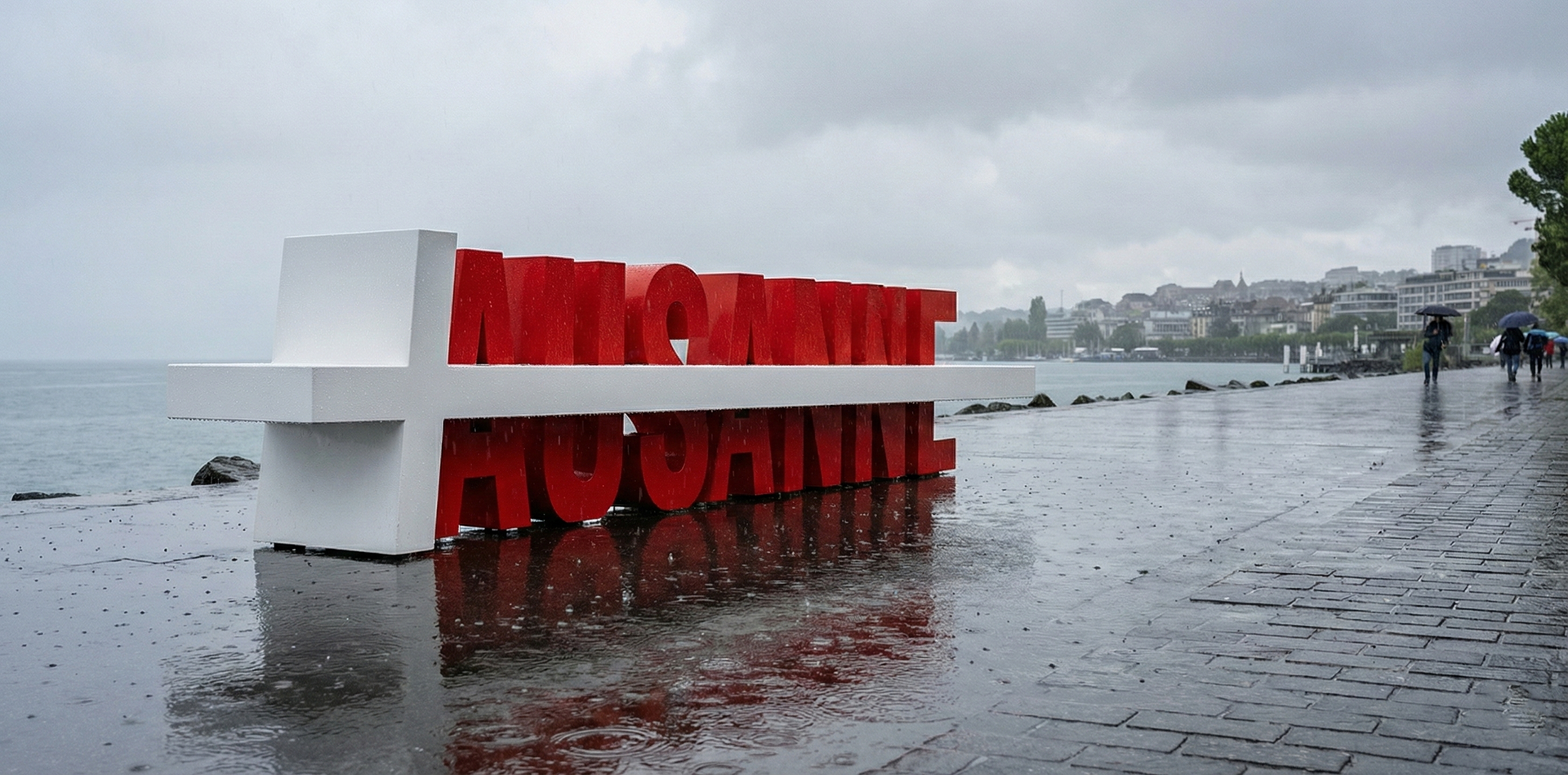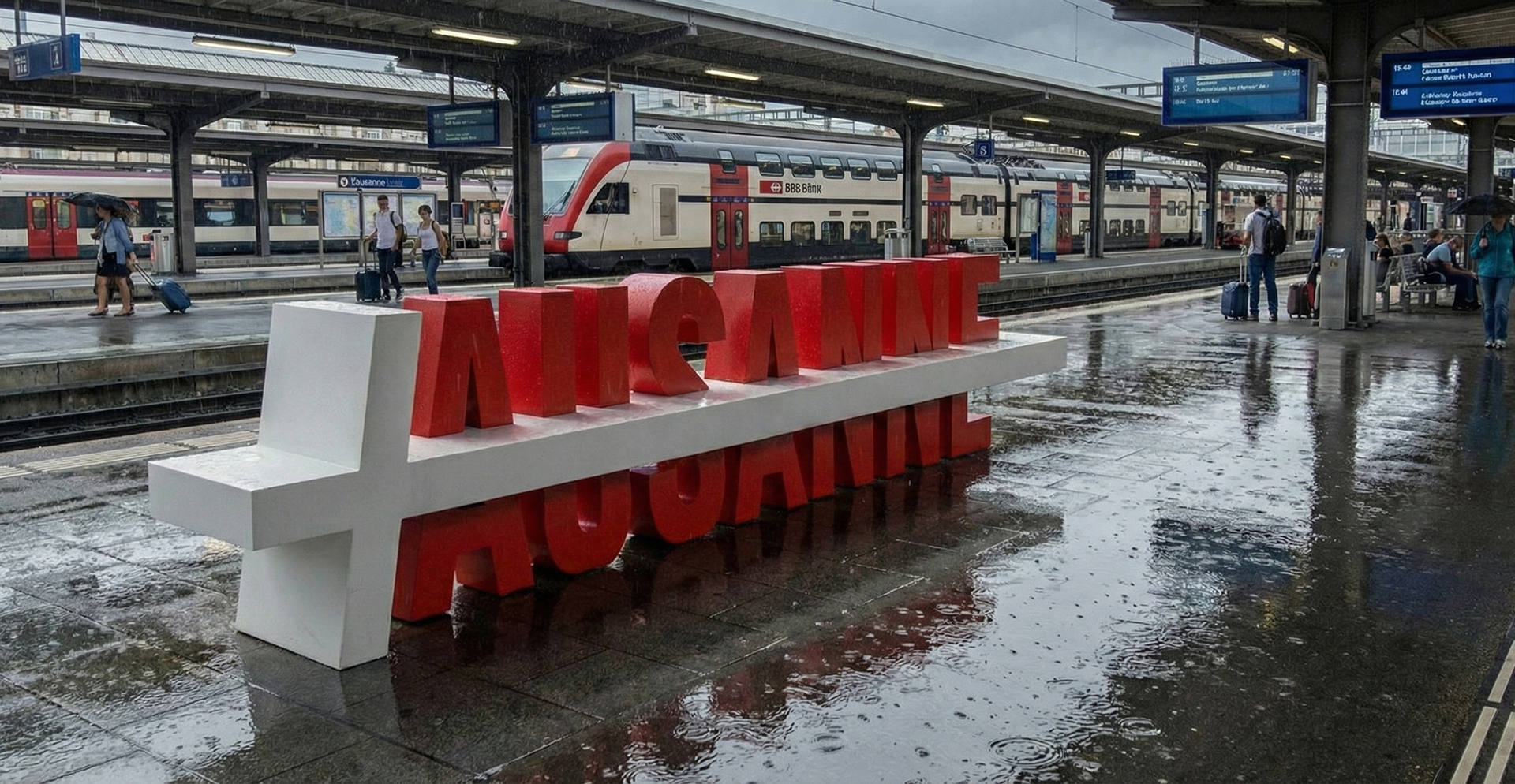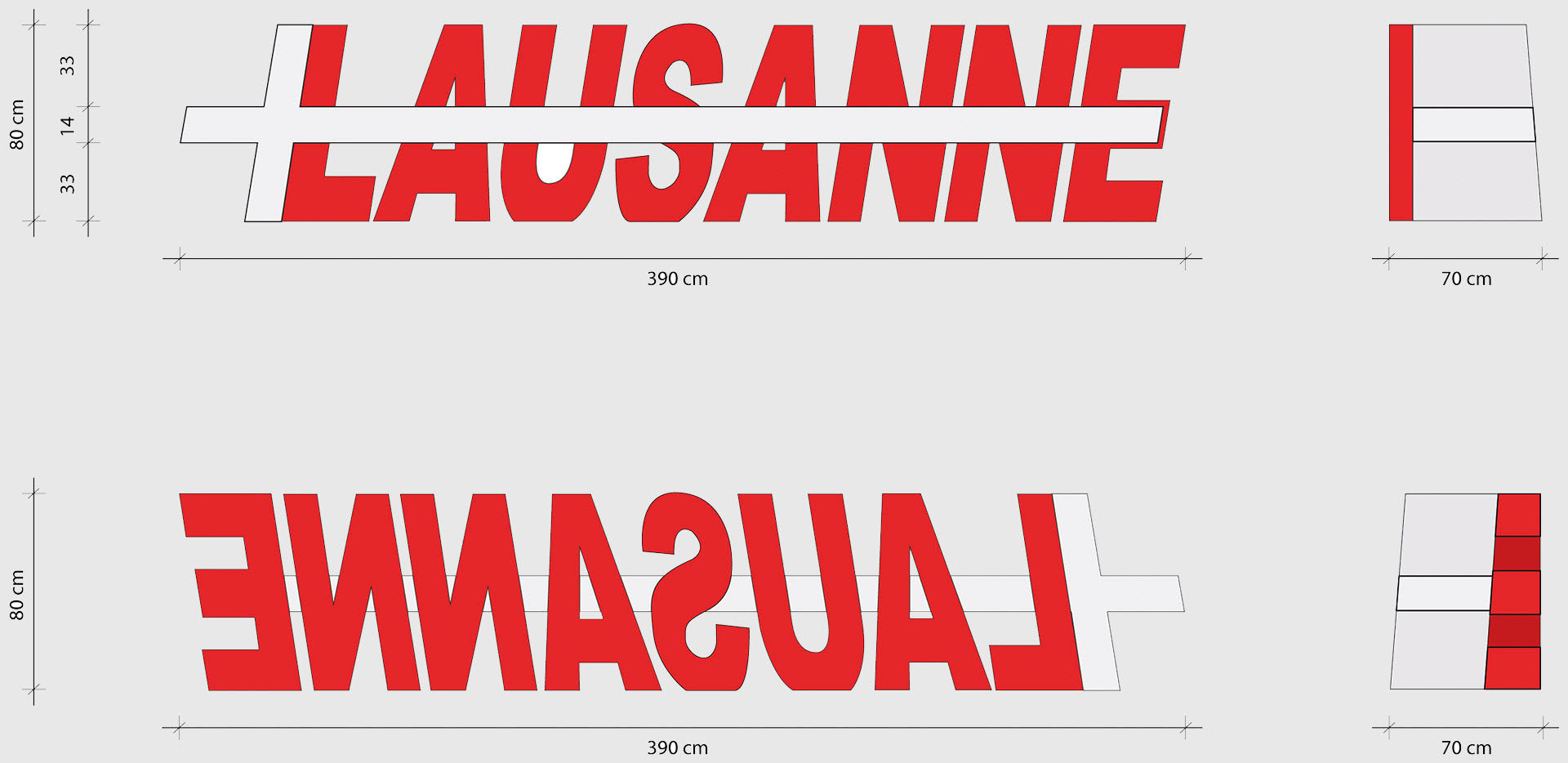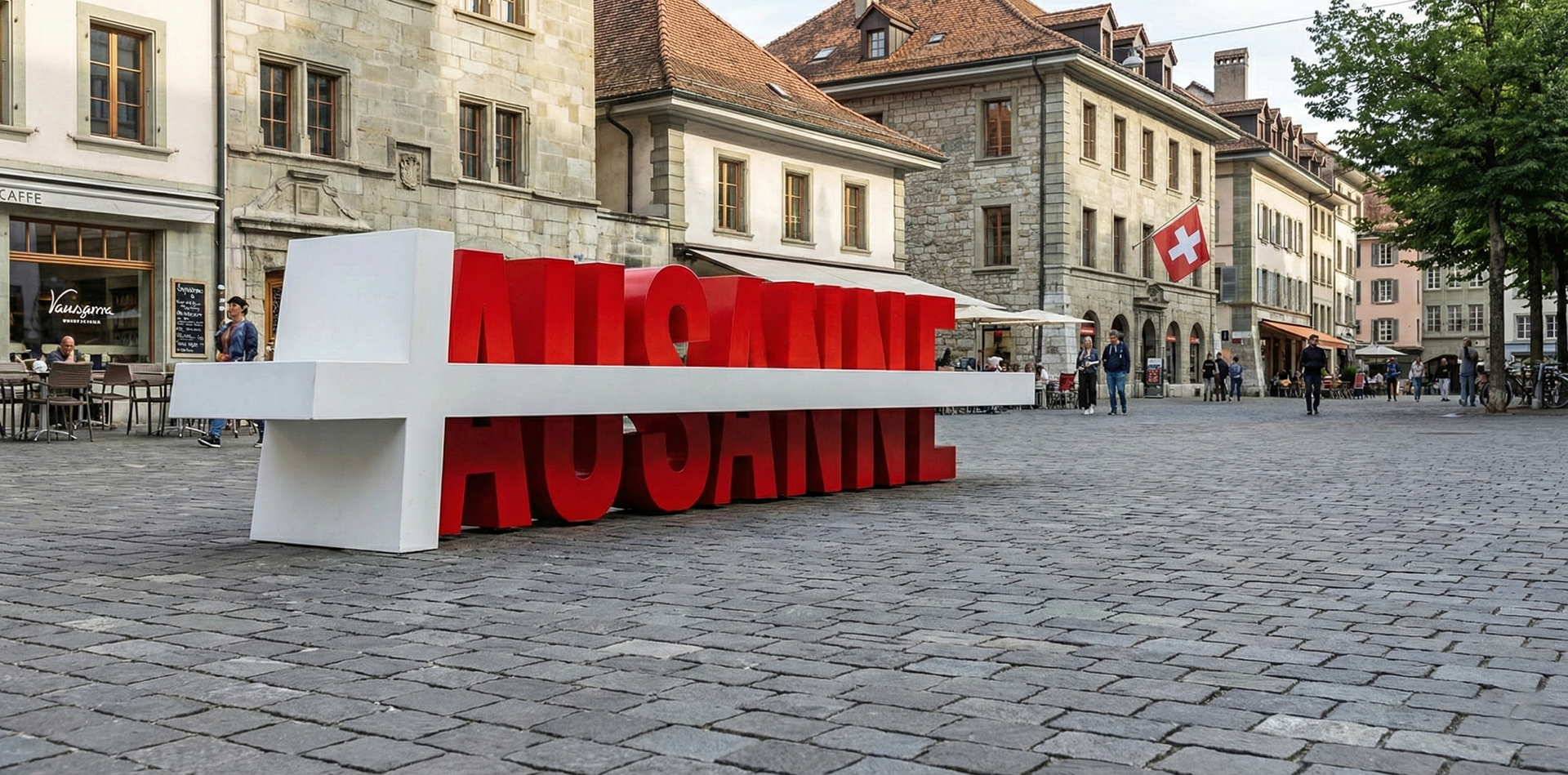
Inspired by the Swiss national flag, Swissbench is an urban furniture concept that blends modern design with information, culture, and public utility. Born from the intersection of graphic design and sculpture, its form initially reads as a public artwork rather than a traditional bench. Its function is not immediately obvious; instead, it invites users to approach, discover, read, understand, and eventually sit and enjoy their surroundings. Through this layered interaction, Swissbench becomes integrated into its environment, transforming from a simple object into a design element that enhances the character of the space it occupies. Swissbench can be installed in both interior and exterior settings—including train stations, airports, ports, parks, tourist destinations, urban centers, and public institutions. Fiberglass can be used for indoor applications, while high-performance concrete is suitable for outdoor use. Wood, the most traditional bench material, also remains a possible option depending on the design intent. In every case, material selection must respond to the environmental, cultural, and functional context of its location. The overarching ambition of Swissbench is to enrich the public realm by introducing art and design into everyday life. The bench can carry the names of the country, cities, significant cultural sites, or historical figures who contributed to shaping Swiss identity. Biographical or historical information can be engraved onto its surface, strengthening the connection between users and the place in which it is installed. Inspiré par le drapeau national suisse, Swissbench est un concept de mobilier urbain qui associe design moderne, information, culture et utilité publique. Issu de la rencontre entre le graphisme et la sculpture, son volume évoque d’abord une œuvre d’art publique plutôt qu’un simple banc. Son usage n’est pas immédiatement perceptible ; il invite les passants à s’approcher, découvrir, lire, comprendre, puis s’y asseoir et apprécier l’environnement. Par ce processus d’interaction, Swissbench s’intègre pleinement à son contexte et devient un élément de design qui valorise l’espace qu’il occupe. Swissbench peut être installé dans des espaces intérieurs ou extérieurs tels que gares, aéroports, ports, parcs, sites touristiques, centres urbains ainsi que bâtiments publics. Pour les espaces intérieurs, la fibre de verre est un matériau adapté, tandis que le béton haute performance convient aux environnements extérieurs. Le bois, matériau le plus traditionnel pour un banc, peut également être envisagé selon les intentions du projet. Dans tous les cas, le choix du matériau doit répondre aux conditions environnementales, culturelles et fonctionnelles du lieu. L’intention principale de Swissbench est de rendre l’espace public plus singulier en intégrant le design et l’art au quotidien. Le banc peut accueillir le nom du pays, des villes, de sites culturels importants ou encore de personnalités historiques ayant contribué à construire l’identité suisse. Des informations biographiques ou historiques peuvent être gravées sur sa surface, renforçant ainsi le lien entre les usagers et le lieu où il est installé.